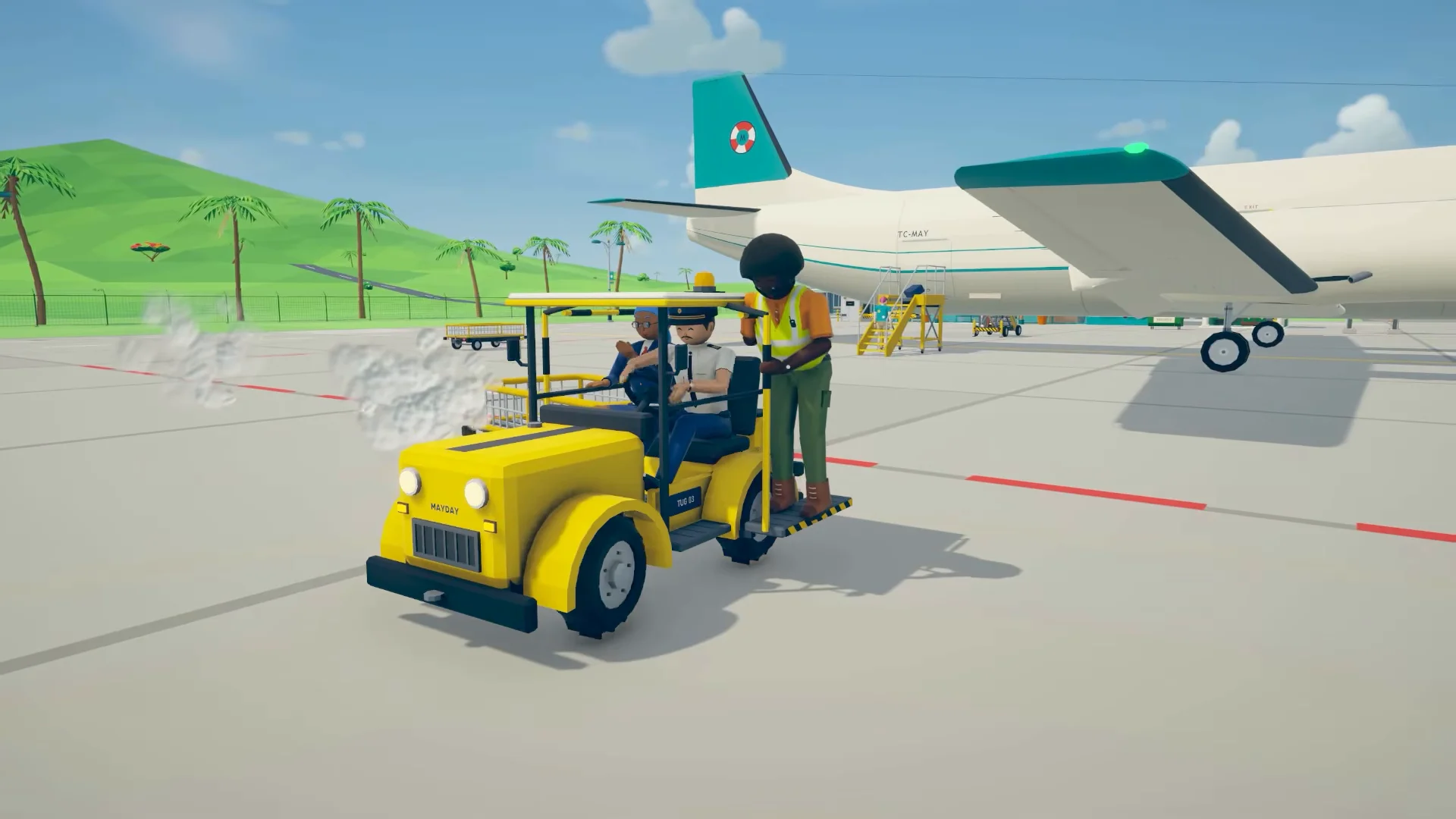
Pre-Flight Checklist: Fueling, Cargo Loading, and Engine Start
Step-by-step pre-flight checklist covering wing fueling, passenger boarding, baggage hold loading, and engine ignition.
Turnaround
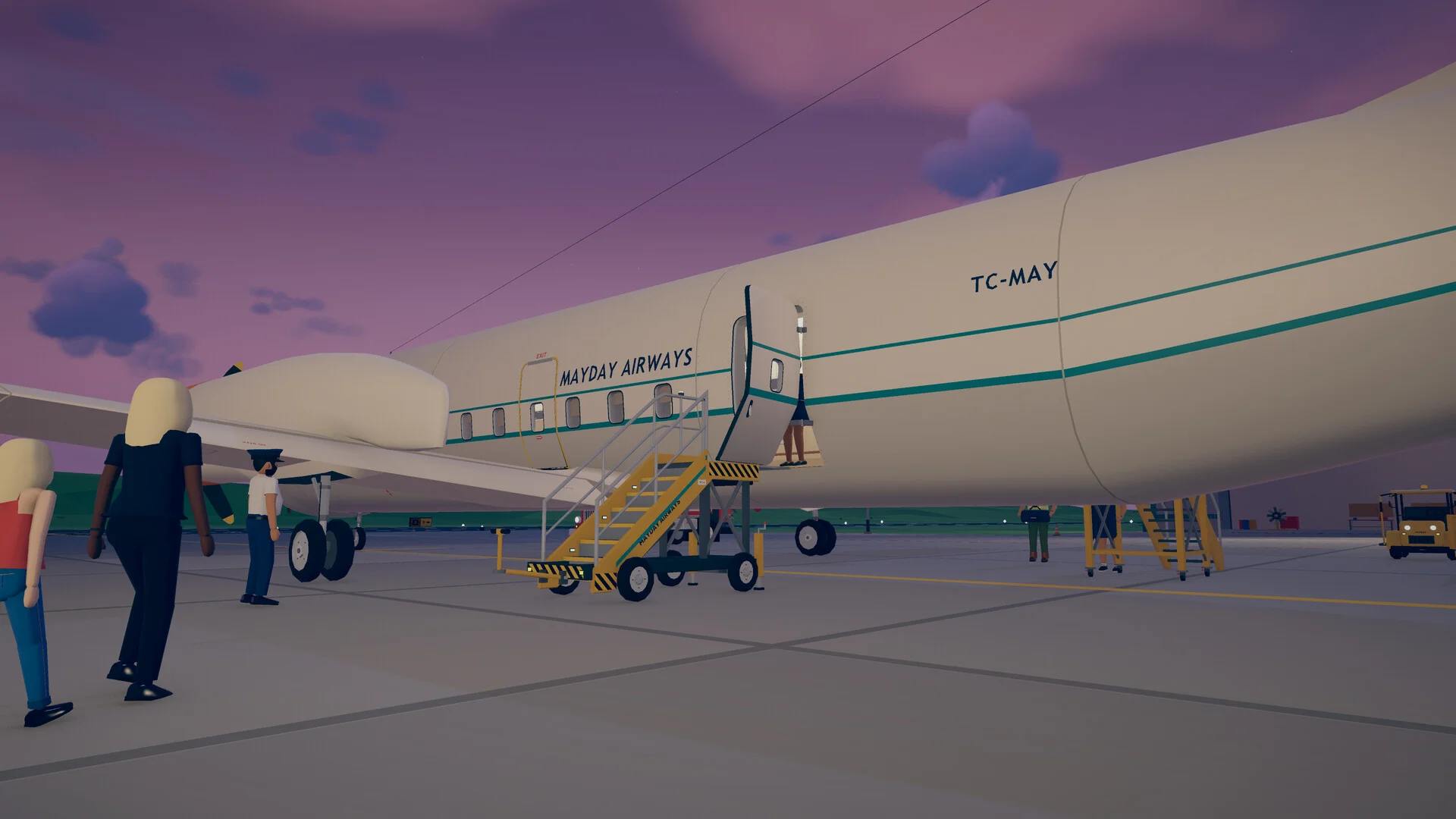
Every successful flight begins on the ground during turnaround, where the crew must refuel the aircraft, restock supplies, and repair damage. A sold-out flight fills every seat with passengers who expect smooth flight conditions. Organizing departure tasks efficiently ensures the aircraft takes off on schedule without missing critical safety steps.
Fueling
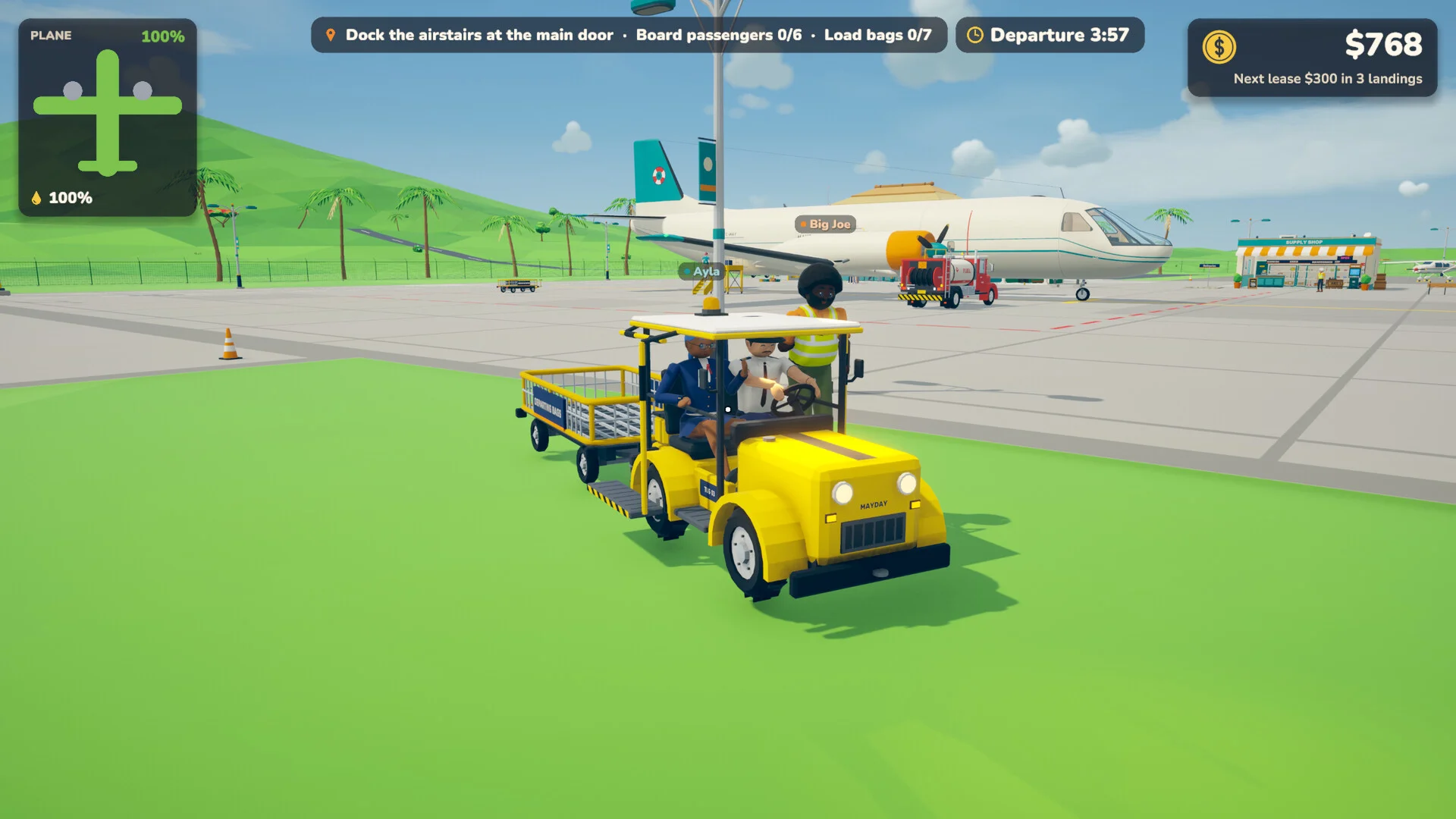
The airport fuel truck approaches the aircraft stand only when the plane is parked with engines turned off. Always disconnect the fuel hose from the wing before departure to avoid ripping the line and receiving a fine. Purchasing the  Long-Range Tanks upgrade expands fuel capacity by adding 40 liters of volume to each wing tank.
Cargo
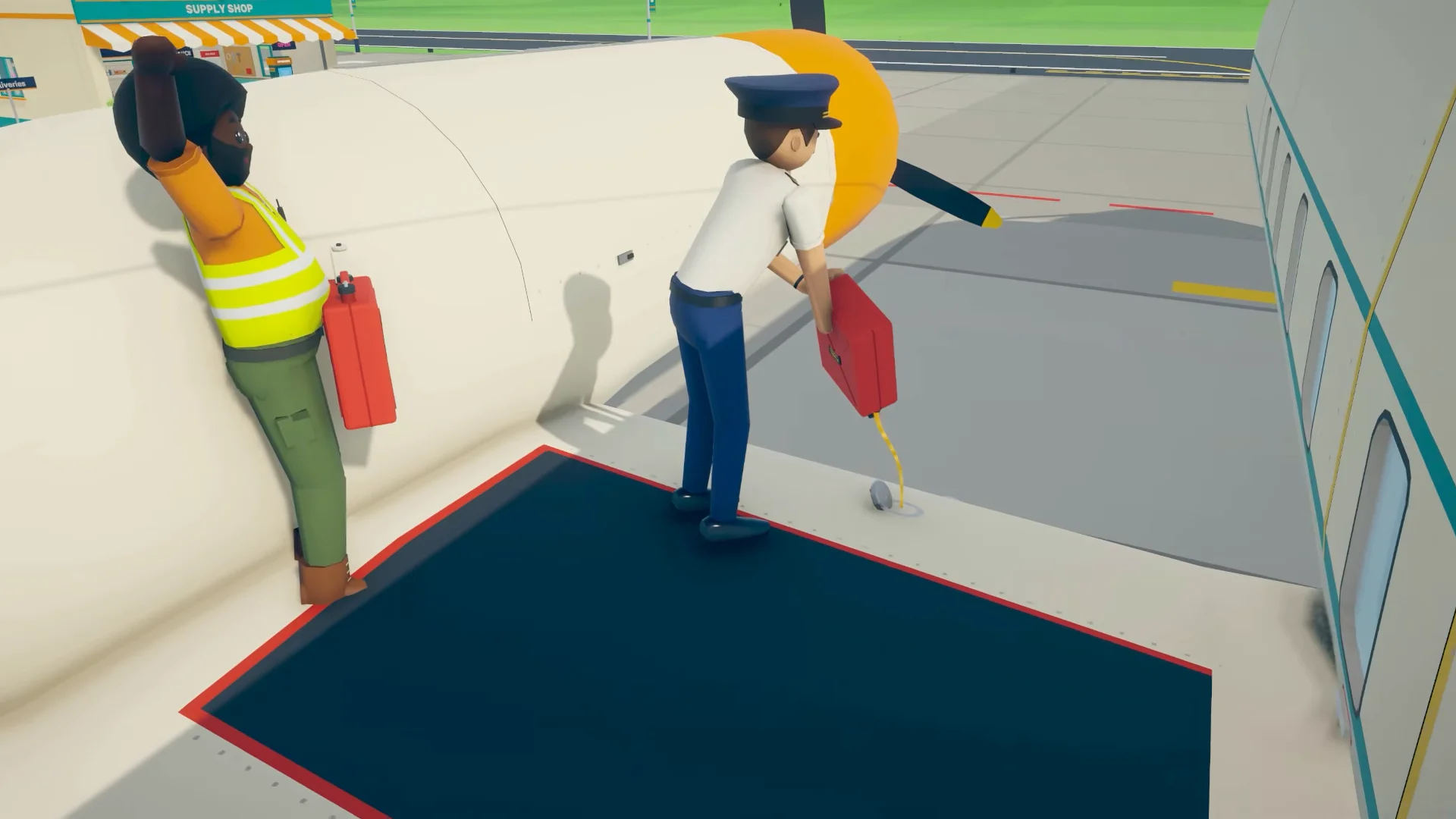
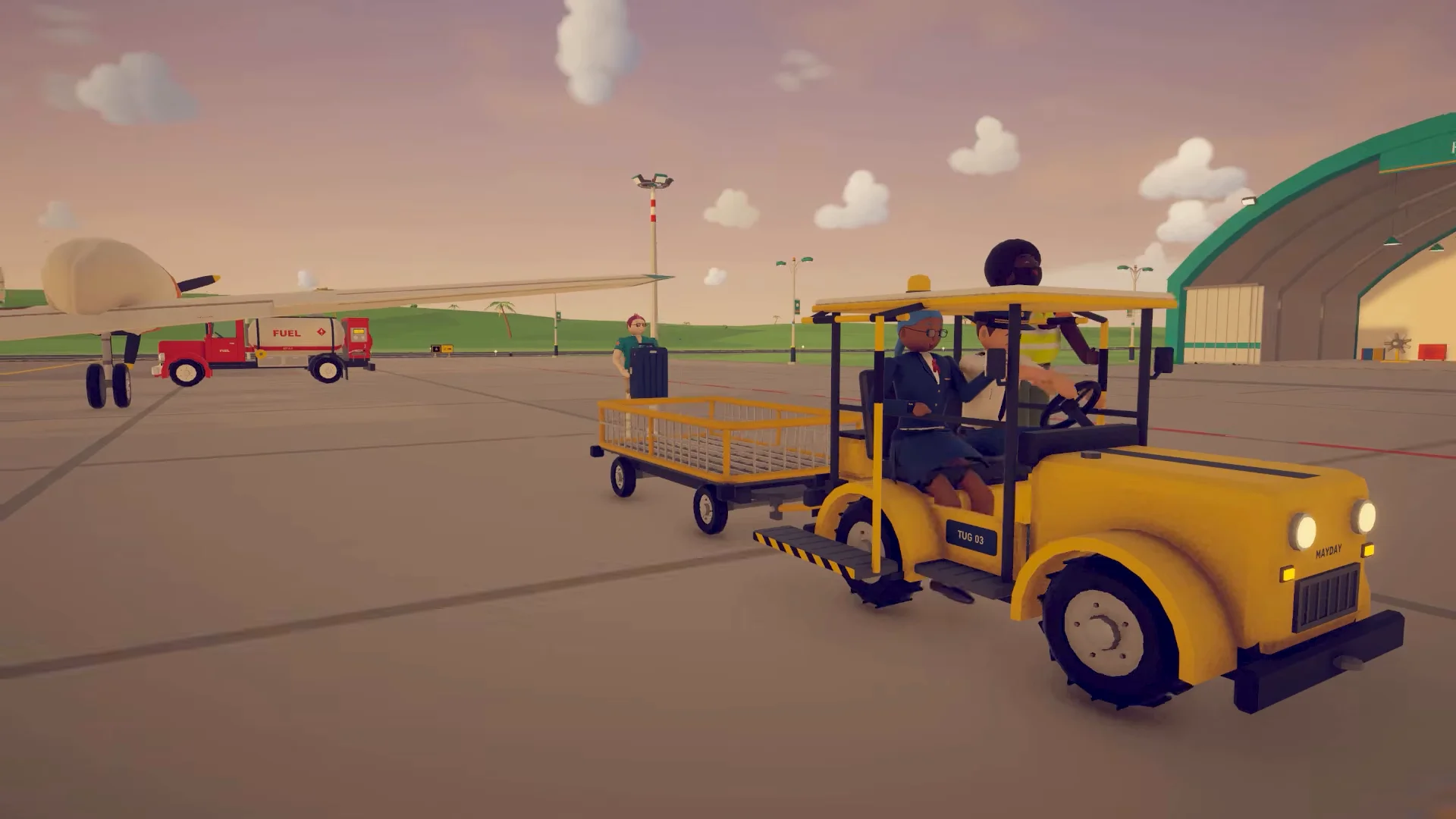
Incoming bags arrive outside on the terminal conveyor belt where handlers gather them. Collect passenger luggage from the terminal area and load the bags into the airport tow basket. Tow the loaded basket out to the parked aircraft to transfer luggage into the hold.
Installing the  Belt Loader upgrade places a motorized conveyor at the cargo door so bags ride smoothly inside. With the conveyor operational, players simply drop incoming bags onto the belt to let them ride straight into the hold automatically. Installing
 Cargo Nets for $150 secures loose stacks so baggage will not slide during banked turns or turbulence. Crew members open the cargo hold door and remove each piece of stowed luggage.
Ignition
Inspect the engine bay to ensure a functional starter  Battery is installed to supply ignition current. If an engine refuses to start, inspect fuel levels and check that electrical circuit breakers are closed.
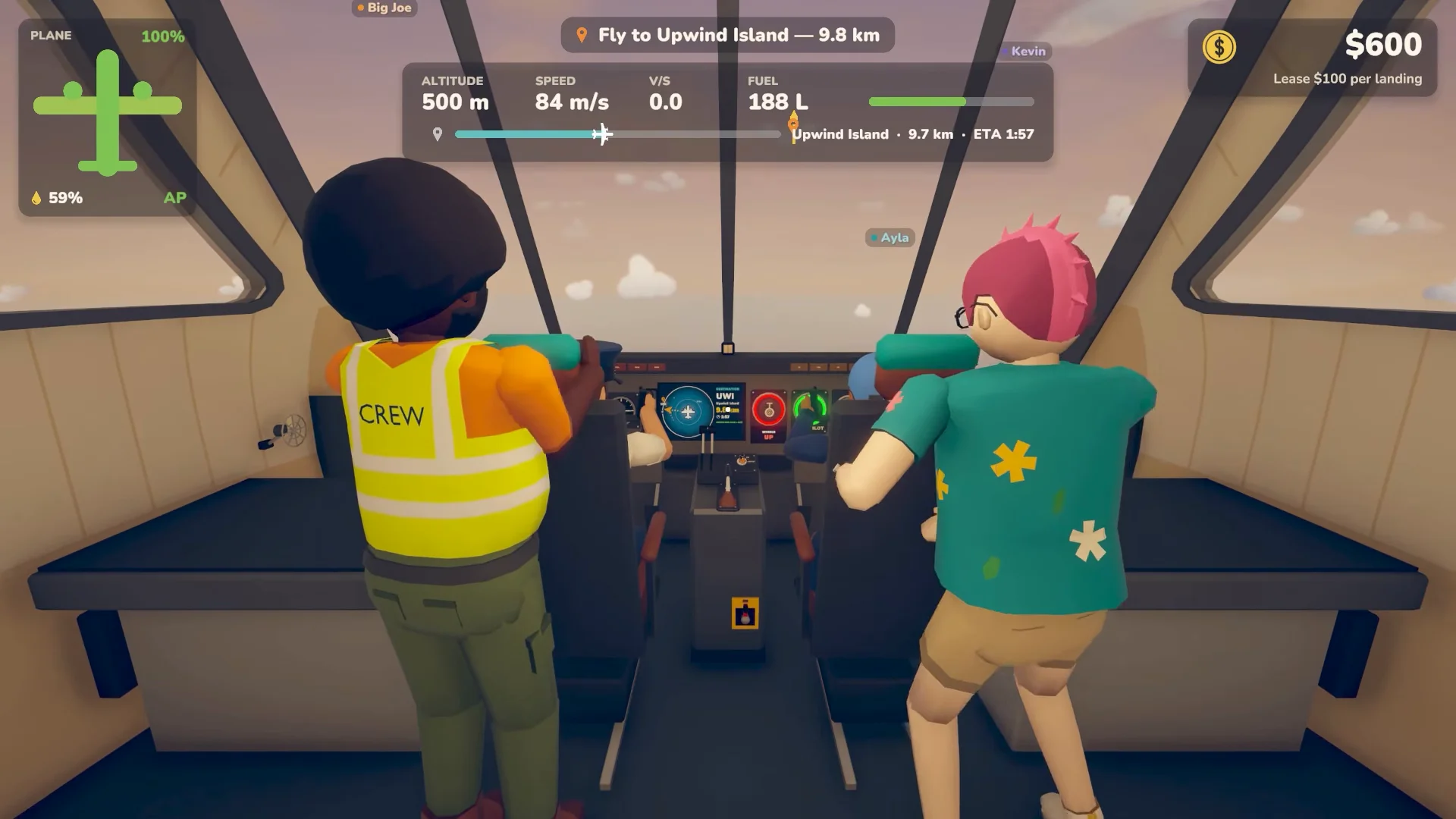
Switch on the left fuel pump switch inside the cockpit before attempting left engine start. Switch on the right fuel pump switch before initiating ignition on the right engine. Hold the ignition key to crank the engines and generate onboard electrical power.
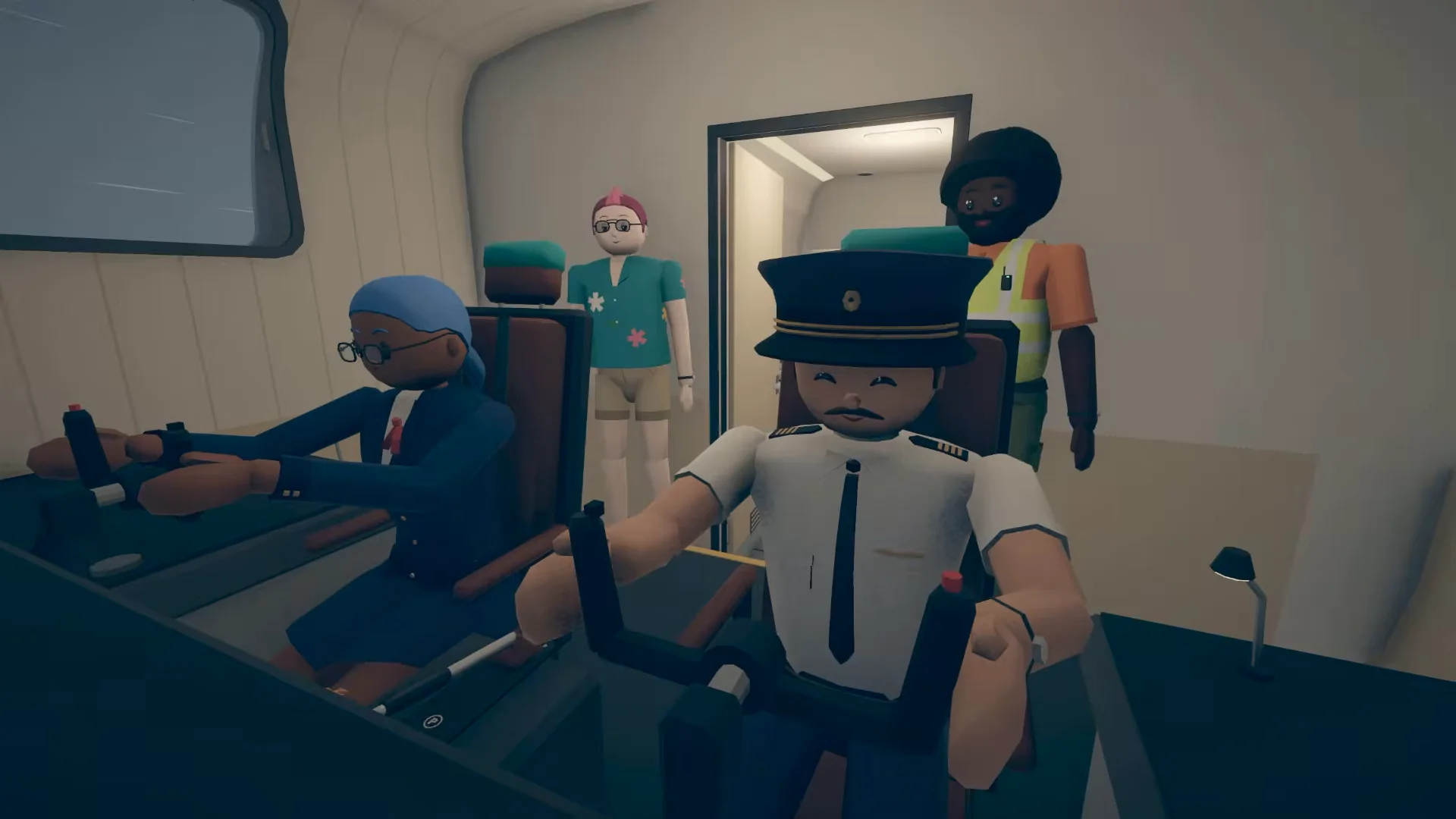
Once both engines run smoothly, taxi to the runway, align the airframe, and release the handbrake.